Meritong. EN / DE Free intro call

Case studies

What an audit actually produced

A BOM audit ends with a figure per line item, not with an assessment. Here is what clients use it for, which line was reviewed, what a switch would have cost, and what was saved in the end.

Meritong · engagementsAs of August 2026
119line items assessed
33suppliers reviewed
−25%landed cost, case 01
6 mthsredesign effort, case 02
Names and part numbers anonymisedFigures are not

01 / Applications

When do you use a BOM audit?

Four situations where the audit decides it

The trigger is rarely “let us take a look”. In every engagement so far there was a concrete decision pending for which a figure was missing.

01

The price negotiation goes nowhere

The supplier will not move, and the conversation has no counterweight. The audit supplies one: the price of the same assembly at the manufacturer, the effort a switch would take, and the qualified alternative. That turns the negotiation from a request into a choice.

02

A part goes end-of-life

The notice arrives by email, with a deadline for the last order. The question is not whether a successor exists, but what the change costs in engineering hours and whether a last-time buy is the cheaper answer. The audit puts a figure on both routes.

03

The second source exists only on paper

The datasheet says “pin-compatible”; in the circuit the part behaves differently. The audit checks whether the alternative holds in your actual design: ESR window, derating under DC bias, timing, approvals. A second source counts only once it is qualified.

04

Due diligence before a funding round

Investors ask about supply-chain risk, and a list will not do. The report names the severity, the replacement cost and the available alternative for every item. A document that can sit in the data room.
02 / Case studies

What came out of an audit in concrete terms?

One completed and one ongoing engagement

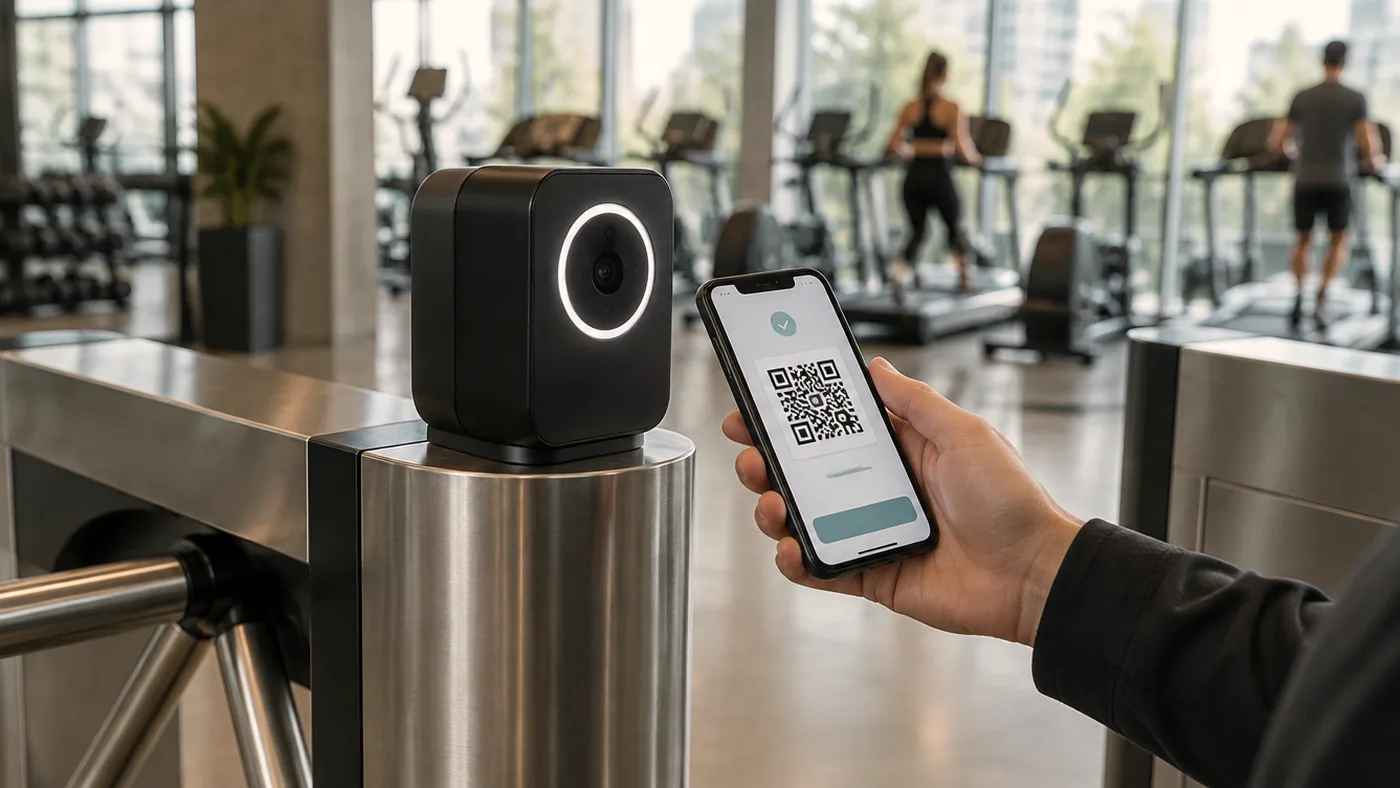
Access scanner with LED ring at the turnstile of a gym, a smartphone showing a check-in code in front of it, AI-generatedAI
Case 01 · hardware start-up · completed

The Scanner Swap

−25%

landed cost of the assembly

€20k

of software cost avoided

15

candidates reviewed

€33.61 through the distributor → ~€25.00 direct from the manufacturer

The analysis surfaced a direct OEM route to the same assembly at a substantially lower landed cost. The code review additionally showed that most of the driver software could be deleted rather than ported.

The decisive detail sat in a single paragraph on page 14 of the manufacturer’s manual, in dense technical English.

Read the full case study →
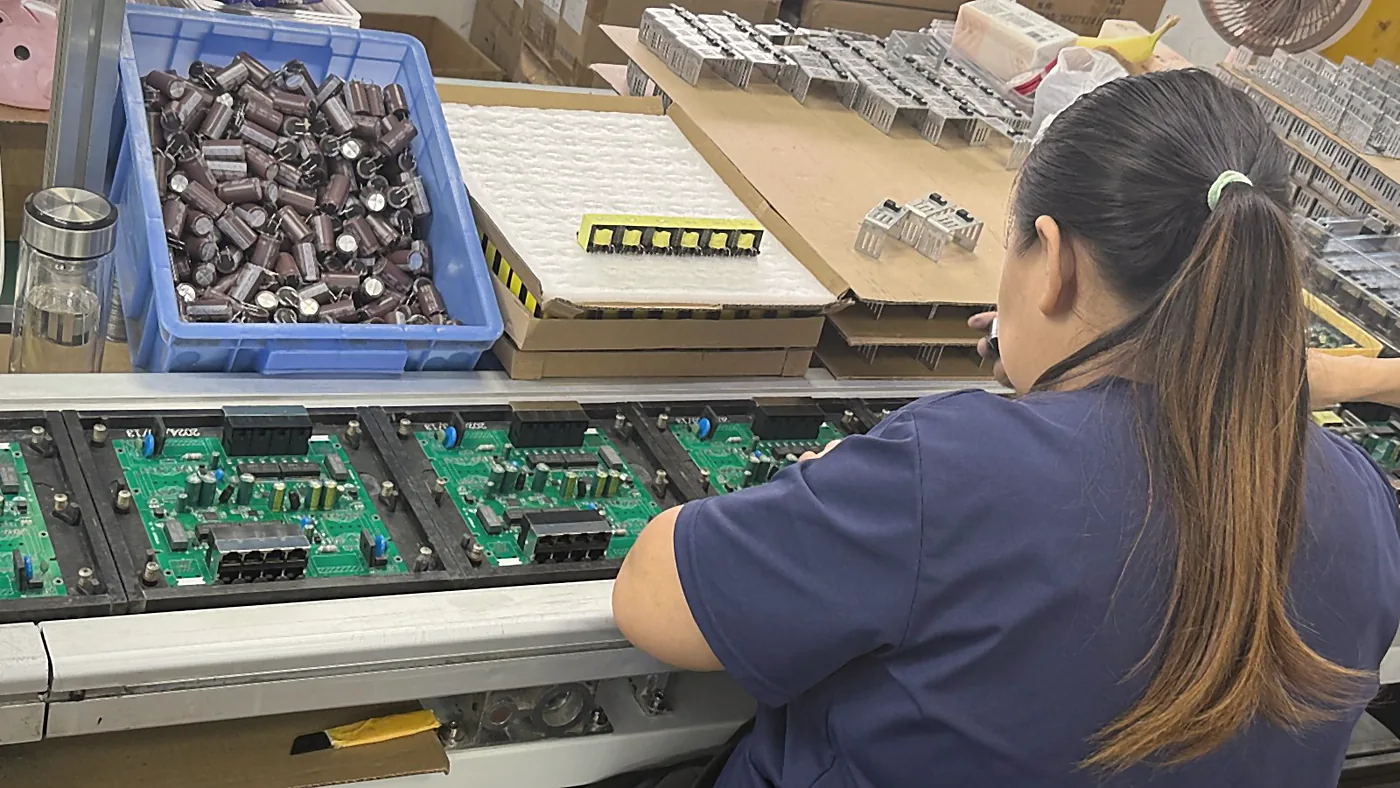
An operator at an assembly line, populated circuit boards and a box of electrolytic capacitors in front of her
Case 02 · ongoing engagement

No FPGA before the launch

0 units

available for delivery

2 options

under review: broker market or redesign

6 months

redesign for the potential switch

A German electronics company needs an FPGA from a US manufacturer for a product launch in spring. Authorised distributors, however, hold no stock that can be delivered in time for the launch. That leaves the open broker market in Asia. And it is exactly there that these parts are frequently counterfeited or offered as reconditioned used parts.

I am reviewing the options so that purchasing and engineering can reach a decision they both stand behind. The engagement is ongoing; the full case study will follow once it has been approved.

Free intro call

03 / Testimonials

Who has already worked with Sebastian Kirsch?

What clients and colleagues say

When critical components could no longer be sourced through the usual channels, Sebastian opened up alternatives for us on the Asian market: fast, structured and on site. He not only found suppliers, he also checked them for integrity and the goods for authenticity. In the end we had a clear and dependable basis for our decision.

Dr. Achim OehlerSenior Director, Dream Chip Technologies GmbHGermany

Sebastian conducted a scalability audit of our systems and supply chain and helped us define a development and procurement roadmap aligned with our financial constraints. He identified a better-fit hardware component and supplier in China, projected to save tens of thousands of euros at scale, and supported the efficient integration into our software stack.

Tobias FinéCEO, Be-In GmbHGermany

Sebastian combines deep technical understanding with strong system-level thinking across software, hardware, and global supply chains. He consistently demonstrated excellent analytical skills and the ability to communicate complex topics clearly across engineering and executive teams.

Steve CampbellCTO (retired), Western DigitalUSA

Sebastian led the implementation of a cloud-based platform with integrated edge devices for our municipality. He coordinated across software, hardware, and stakeholder groups and successfully delivered a system that operates reliably at scale. His ability to translate complex technical requirements into practical solutions was particularly valuable.

Alexander ScheutzMayor, European Municipality (Digital Infrastructure Project)Austria

04 / Who does this

Who am I working with?

Sebastian Kirsch is a former deep-tech managing director and combines expertise in software, hardware, China and AI in one person

A computer science degree with a focus on machine learning, and alongside it Chinese up to negotiation level. Then years as a freelance software developer, during which he led Chinese software teams and spent six months working in China. Then the move into hardware: head of software development and later of the entire engineering department, then managing director of a deep-tech start-up.

  • SoftwareReads the code base in the audit, not only the bill of materials
  • HardwareOptics, lasers and semiconductors, from prototype to series production
  • General managementHelped carry a start-up from the first grant to a multi-million valuation and supported several funding rounds
  • ChinaSpends significant time on site in China and other Asian countries, holding meetings and negotiations in Mandarin

Working languages

GermanEnglishMandarinSpanish
Sebastian Kirsch of Meritong talking about the IoT market in Chinese (Mandarin) in an interview

05 / The next step

How do I start?

The first call is free.

Thirty minutes. Your situation, your product, your suppliers. At the end you have the potential check: how many alternative suppliers are worth considering, and what saving is realistically on the table.

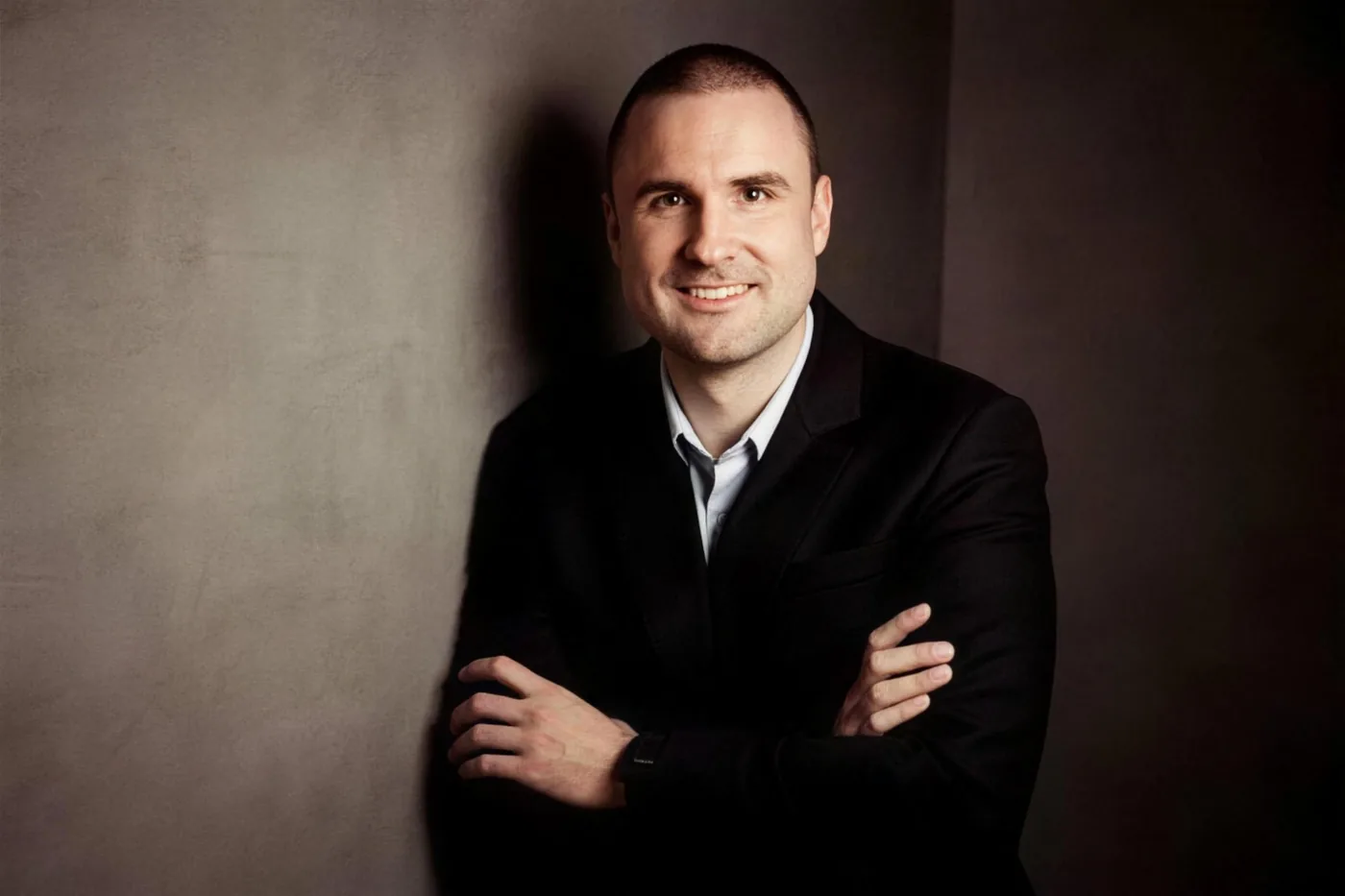
Sebastian Kirsch, the person you will speak to in the initial call
Your contact: Sebastian Kirsch, founder of Meritong