Meritong. EN / DE Free intro call

Industries

Industries and target groups at a glance

The audit is the same everywhere; what triggers it differs by industry. Pick the situation closest to your own.

01 / Target groups

Which companies does the BOM audit benefit?

Startups with hardware, deep tech companies and manufacturing mid-market sourcing in China and Asia

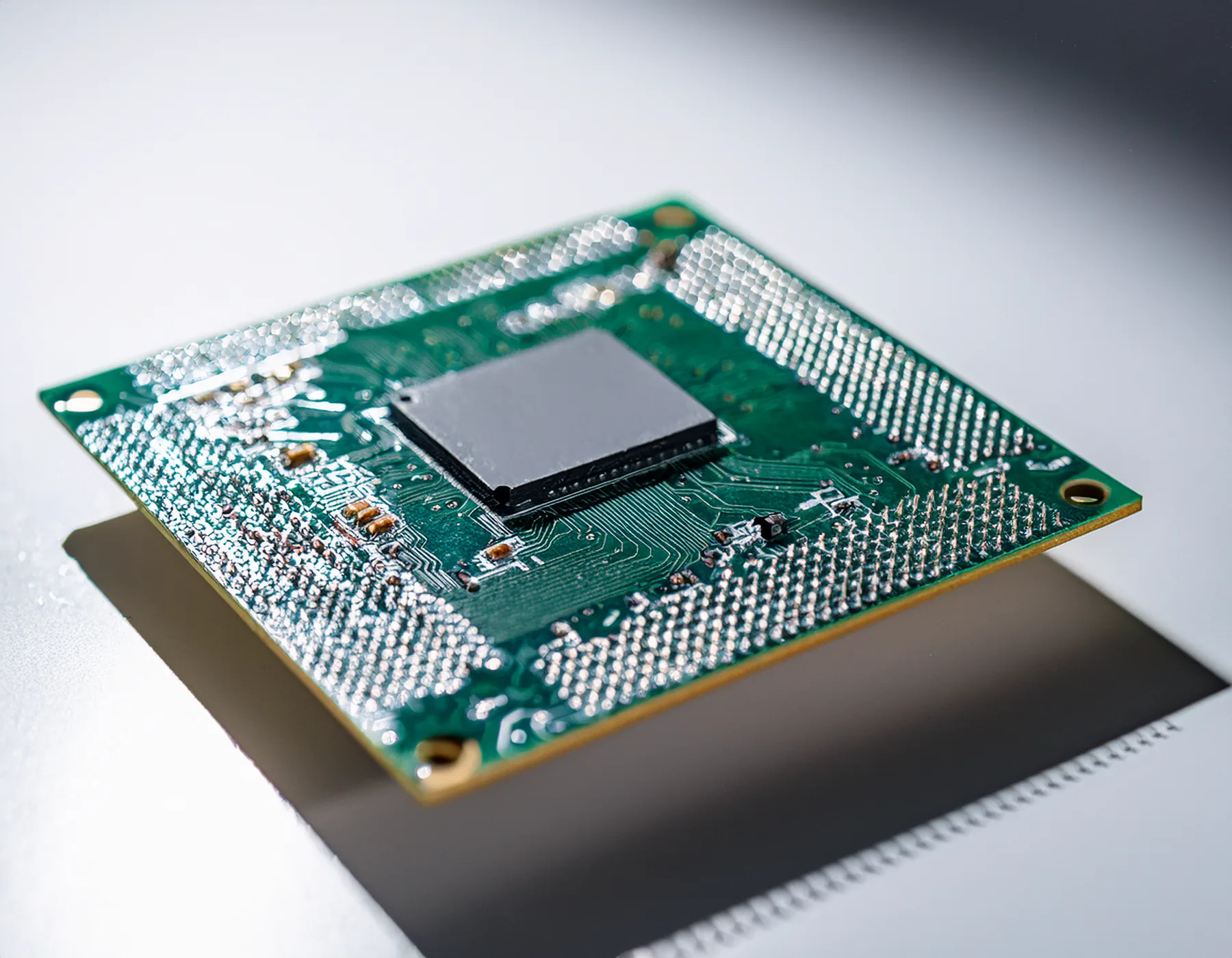
Macro shot of a circuit board with a BGA chipAI

Startups and scale-ups

So that unit costs do not sink your next round.

Ahead of a funding round or in the middle of technical due diligence: the unit costs have to withstand scrutiny before anyone asks about them.

Typical triggers
  • Dependency with no second source: either unknown, or known but not quantified so far
  • Verifiability: due diligence asks for an auditable report, and there is none
  • Series readiness and scaling: what worked in the prototype but no longer works in series production
To the industry page →
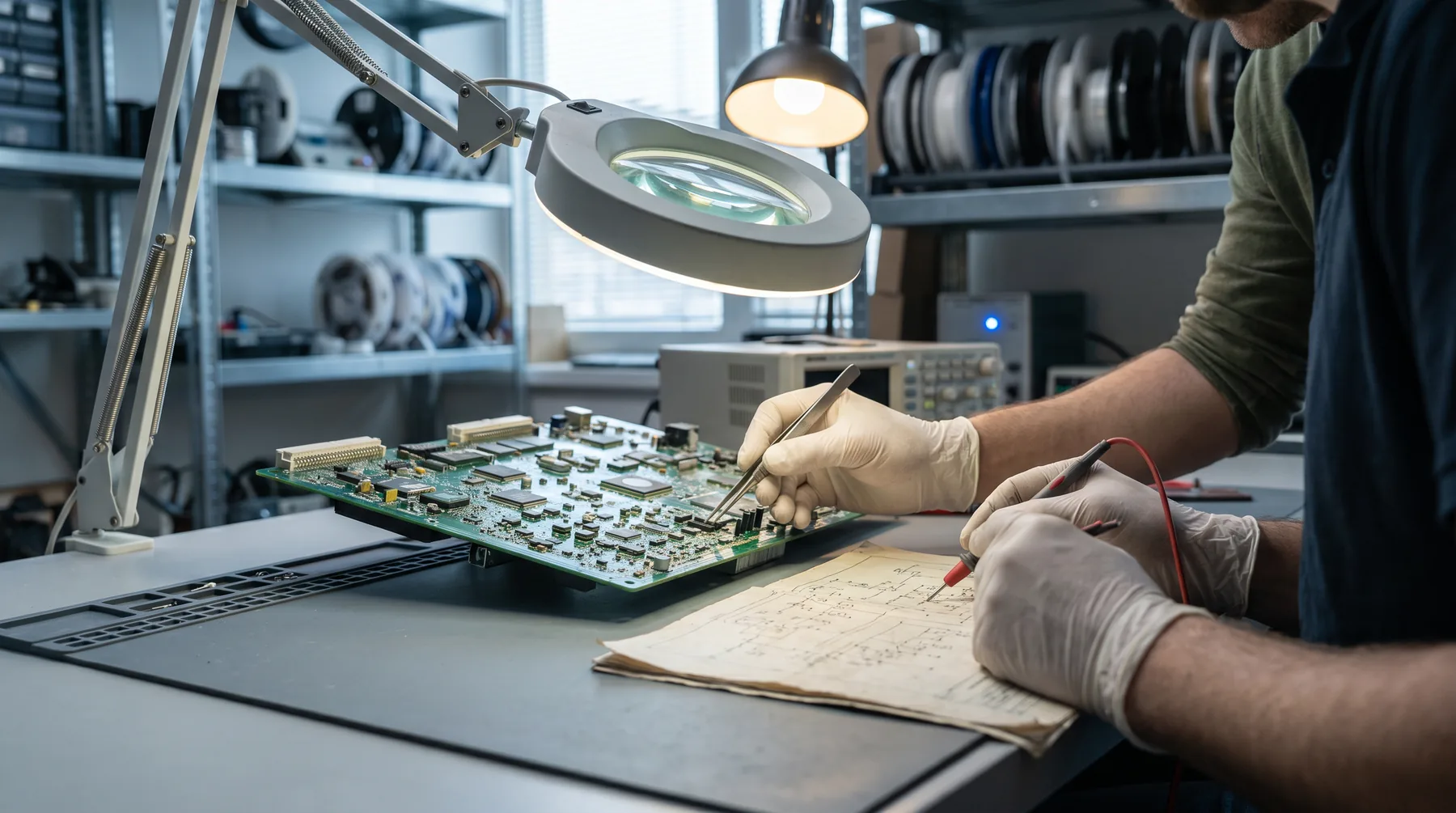
Electronics review at an ESD workstationAI

Deep tech companies

What worked in the prototype but no longer works in series production.

Between prototype and start of series production. The jump from 50 to a few hundred units exposes dependencies nobody had seen before.

Typical triggers
  • Series readiness and scaling: what worked in the prototype but no longer works in series production
  • Part unobtainable or absurdly expensive: 52-week lead time, spot-market prices at four times the level
  • No cost transparency: the unit price is known, the landed cost per item is not
To the industry page →
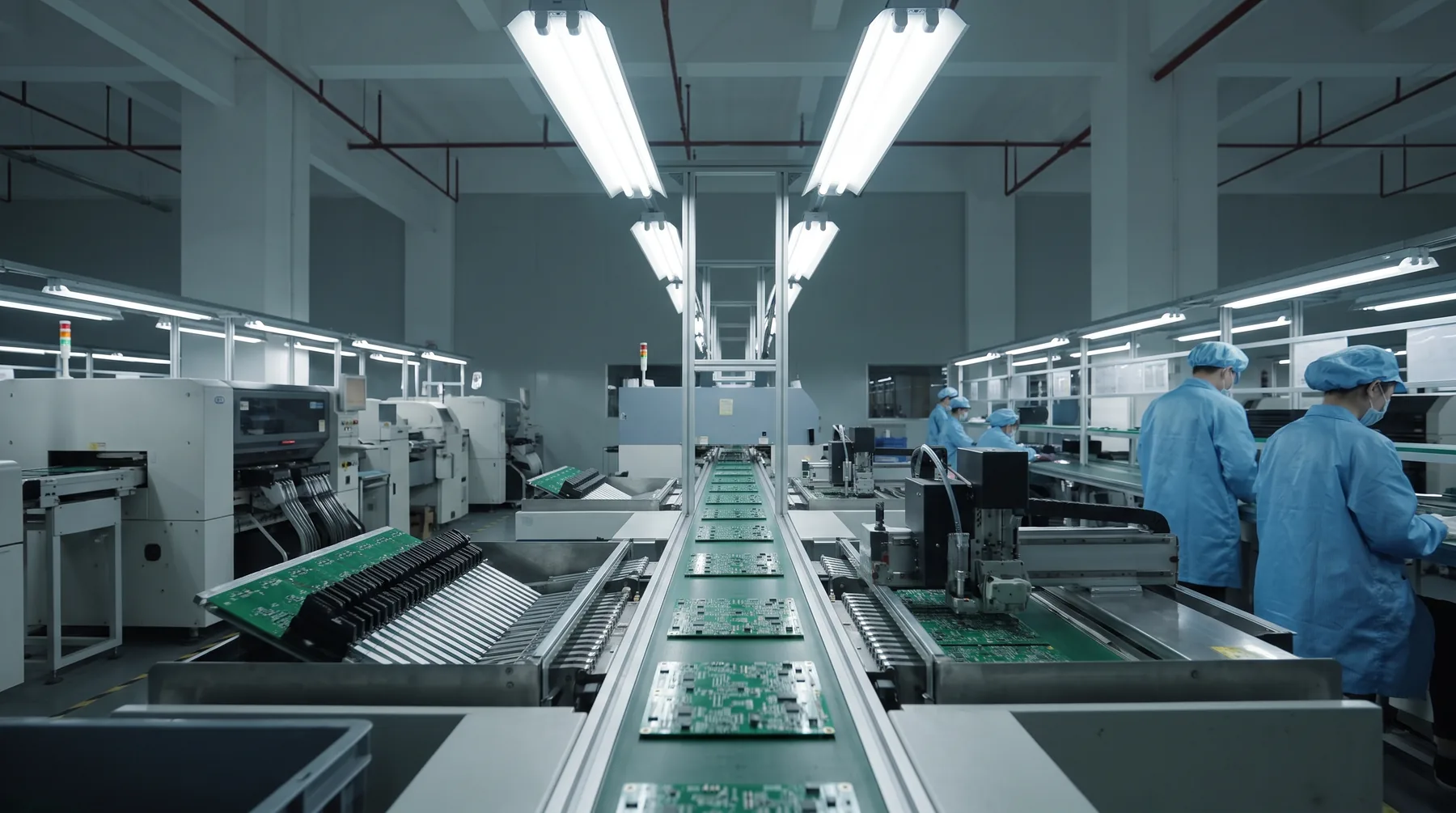
Production hall with an SMT lineAI

Industry and mid-market

Reducing cost and dependency in components

Owner-managed electronics and machinery manufacturers sourcing in China and Asia who want to cut costs or reduce dependencies.

Typical triggers
  • Unit costs too high: the device price has to come down for the margin or the target price to work
  • End of life and obsolescence: an EOL or NRND notice is on the table, and the choice between a last-time buy and a redesign has no solid figure behind it
  • Dependency with no second source: either unknown, or known but not quantified so far
To the industry page →

02 / Further fields

And if my industry is not listed?

Further industries in focus

The audit fits wherever a company owns its own bill of materials. I also work in these industries:

Robotics and automation Imaging and semiconductors Medical technology Measurement and laboratory IoT and connected devices

03 / Fit

Does the audit fit my situation?

Who the audit is for

Good fit

The audit is a good fit if these points apply:

  • You source hardware from China or other Asian countries. Components, assemblies or finished products, whether through an ODM, a distributor or direct. The longer the chain, the more sits in the bill of materials that nobody has reviewed in years.
  • You own your bill of materials. You decide which part goes in, rather than buying a finished module and integrating it. Only then is there a lever an audit can actually move.
  • You have something concrete to analyse. A bill of materials, a pending component decision, or a supplier you want checked. An Excel export is enough; it does not have to be a maintained ERP.
  • You suspect a supplier holds the stronger hand. A supplier who dictates the price, a part with no qualified second source, firmware tied to a vendor SDK. The audit puts a figure on what leaving costs and whether it pays.
  • You need a result you can show. A written analysis that holds up in front of your board, your investors or your own engineering team. Amounts per line item instead of traffic lights, with the origin of every figure traceable.
  • You have one to four weeks. That is how long a structured analysis takes. If the sourcing decision falls within seven days, the free potential check is the more suitable entry point.

04 / The next step

How do I start?

The first call is free.

Thirty minutes. Your situation, your product, your suppliers. At the end you have the potential check: how many alternative suppliers are worth considering and what saving is realistically on the table.

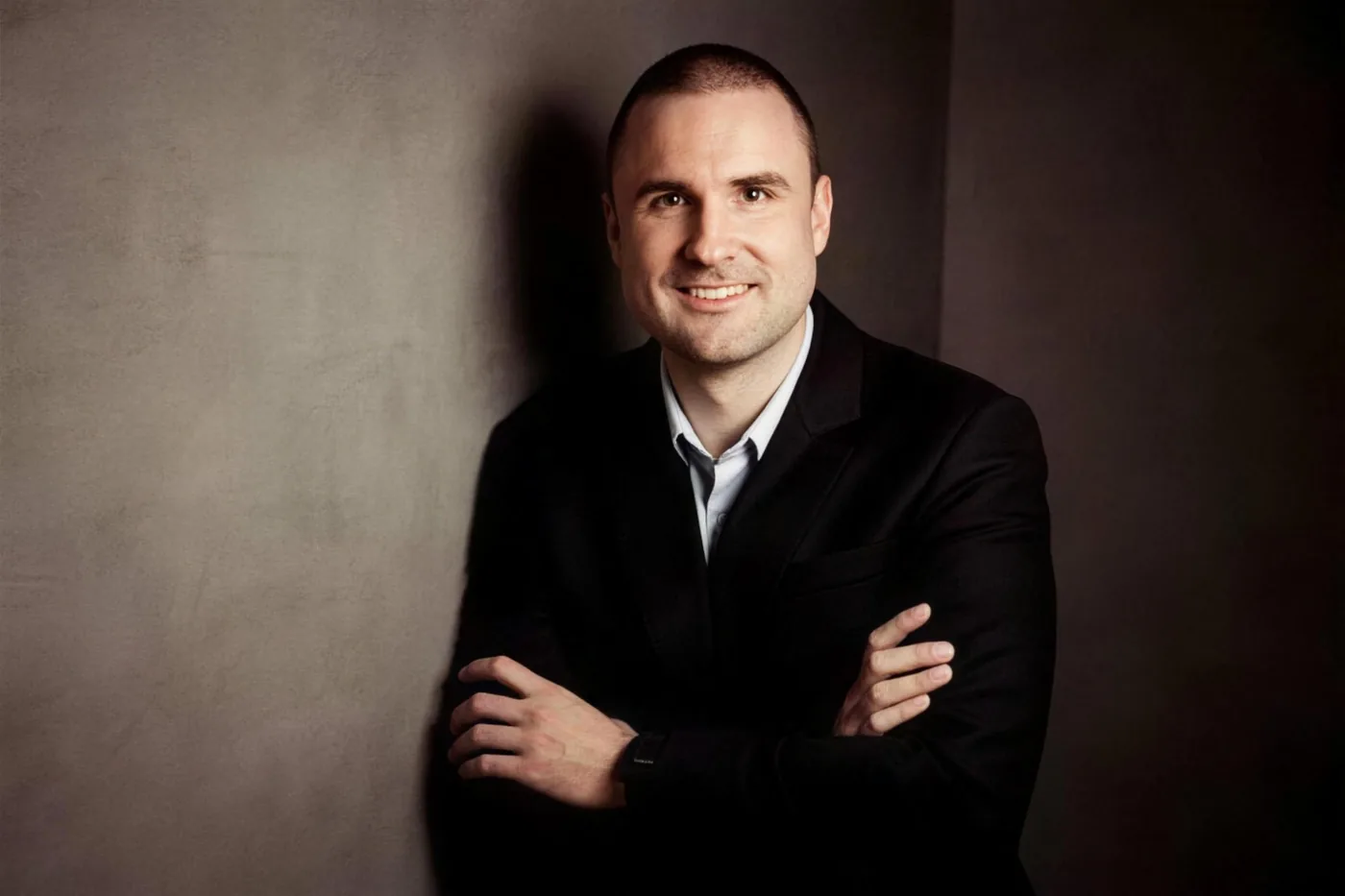
Sebastian Kirsch, your contact in the intro call
Your contact: Sebastian Kirsch, founder of Meritong